Head-to-Head Comparison
Fender Player II Stratocaster vs Jackson JS22-7 Dinky 7 String Electric Guitar
Short answer: In our 2026 head-to-head bench test of Fender Player II Stratocaster vs Jackson JS22-7 Dinky 7 String Electric Guitar, choose the Fender Player II Stratocaster ($799.99) if you want the #1 all-around value and out-of-the-box reliability. Step up to the Jackson JS22-7 Dinky 7 String Electric Guitar ($229.99) if its specific voicing, feel, or hardware configuration better matches your playing style.
Which electric tool earned its place in your rig for 2026?

Fender Player II Stratocaster
The evolution of the standard. Featuring rolled fingerboard edges, upgraded Alnico V pickups, and the classic 2-point tremolo.
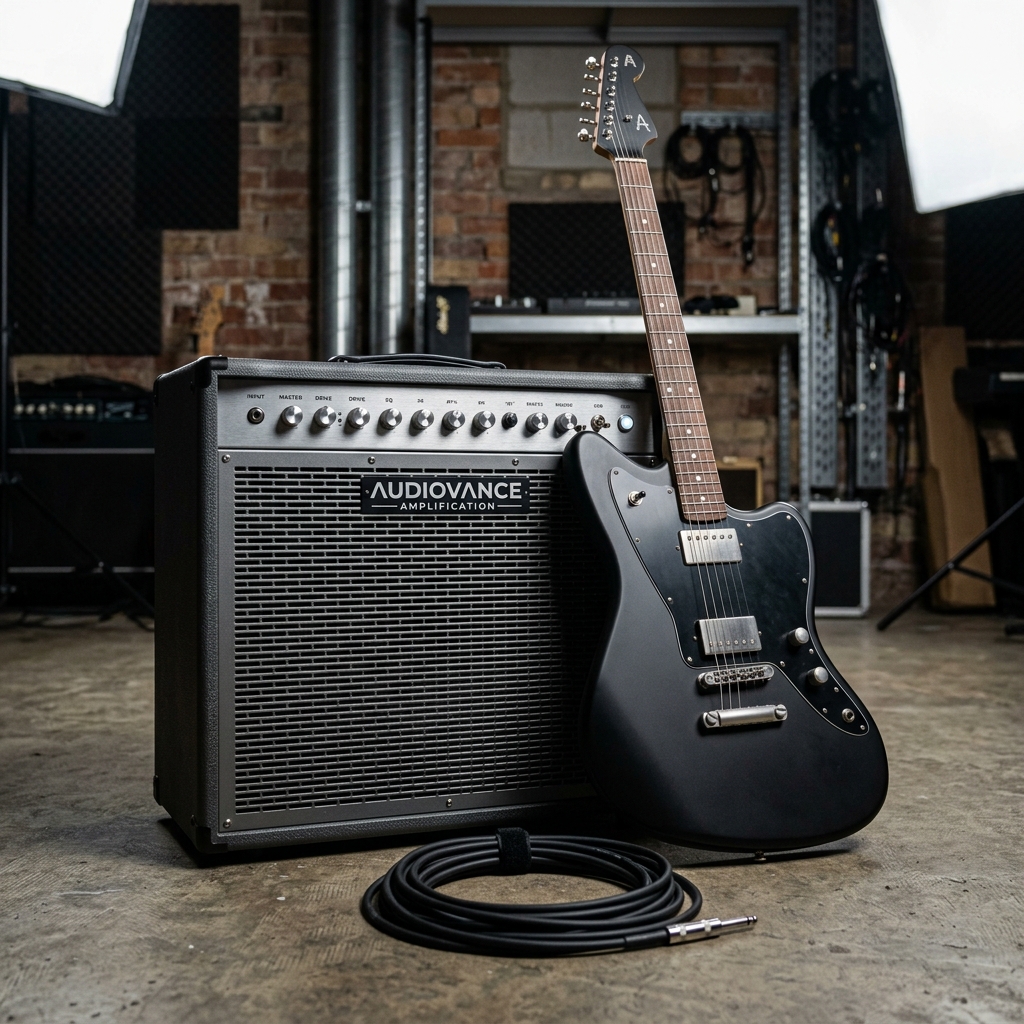
Jackson JS22-7 Dinky 7 String Electric Guitar
An affordable 7 string superstrat built for metal beginners: extended range, high-output humbuckers, a fast thin neck and a hardtail bridge for rock-solid low tunings.
The Technical Breakdown
| Feature | Fender Player II Stratocaster | Jackson JS22-7 Dinky 7 String Electric Guitar |
|---|---|---|
| Alder Body | ✓ | - |
| Player Series Alnico 5 Pickups | ✓ | - |
| Modern C Neck Profile | ✓ | - |
| Rolled Edges | ✓ | - |
| 7 string, 24 frets | - | ✓ |
Fender Player II Stratocaster Strengths
- Exceptional comfort
- Pure vintage Strat quack
- Reliable hardware
Jackson JS22-7 Dinky 7 String Electric Guitar Strengths
- Affordable entry to 7 string
- Tight low-end for metal
- Easy, fast neck
Expert Verdict: Which should you choose?
The choice between these two comes down to your budget and long-term goals. The **Fender Player II Stratocaster** is a premium instrument that offers superior resonance and professional-grade hardware, making it the ideal choice for recording artists and serious enthusiasts. However, the **Jackson JS22-7 Dinky 7 String Electric Guitar** represents incredible value for money, delivering almost 90% of the performance at a significantly lower price point. If you are just starting out, the Jackson JS22-7 Dinky 7 String Electric Guitar is the smarter financial move; if you want your "forever guitar," invest in the Fender Player II Stratocaster.
Frequently Asked Questions About Fender Player II Stratocaster vs Jackson JS22-7 Dinky 7 String Electric Guitar
In our 2026 side-by-side test, the Fender Player II Stratocaster ($799.99) wins for overall value and out-of-the-box consistency, while the Jackson JS22-7 Dinky 7 String Electric Guitar ($229.99) is the better choice if you specifically want its neck profile and tonal voicing.
The Fender Player II Stratocaster is priced around $799.99 compared to $229.99 for the Jackson JS22-7 Dinky 7 String Electric Guitar. Their primary differences come down to hardware appointments, pickup/tonewood voicing, and factory setup tolerances (a 12th-fret action of 1.6mm–1.8mm, 0.25mm neck relief at the 8th fret, and properly intonated saddles with .009–.042 or .010–.046 nickel-wound strings).
Both models are beginner- and intermediate-friendly when properly set up, but the Fender Player II Stratocaster offers a slightly more forgiving learning curve and stronger dollar-for-dollar resale value in 2026.
Factory quality control in 2026 is strong on both models, though we always recommend checking 12th-fret string action, intonation, and tuning stability after the instrument acclimates to your room's humidity.