Head-to-Head Comparison
TC Electronic Ditto Looper Pedal vs Ernie Ball VP JR 250K Volume Pedal
Short answer: In our 2026 head-to-head bench test of TC Electronic Ditto Looper Pedal vs Ernie Ball VP JR 250K Volume Pedal, choose the TC Electronic Ditto Looper Pedal ($129.99) if you want the #1 all-around value and out-of-the-box reliability. Step up to the Ernie Ball VP JR 250K Volume Pedal ($99.99) if its specific voicing, feel, or hardware configuration better matches your playing style.
Which accessories tool earned its place in your rig for 2026?
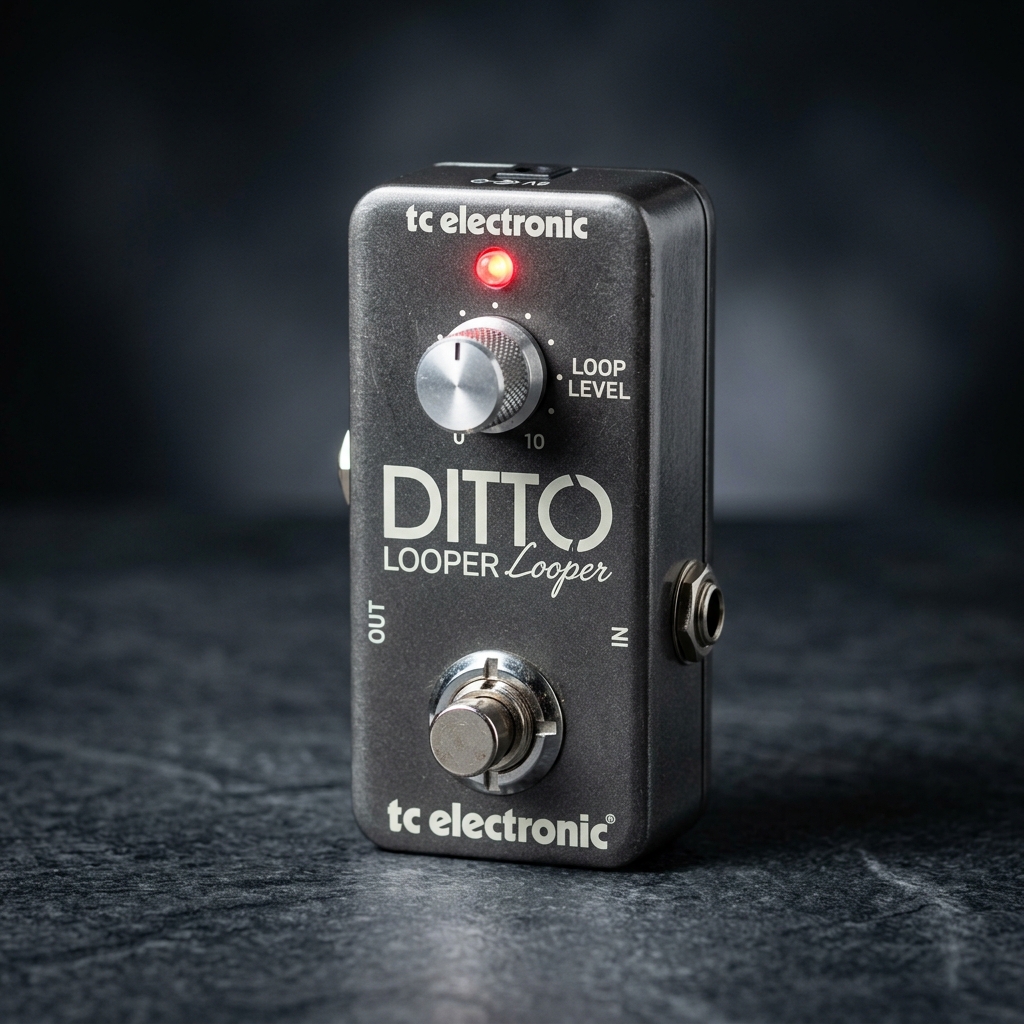
TC Electronic Ditto Looper Pedal
Dead-simple loop pedal with true-bypass and pristine sound — strum a part and play over it. Ideal for practice and budget pedalboards.
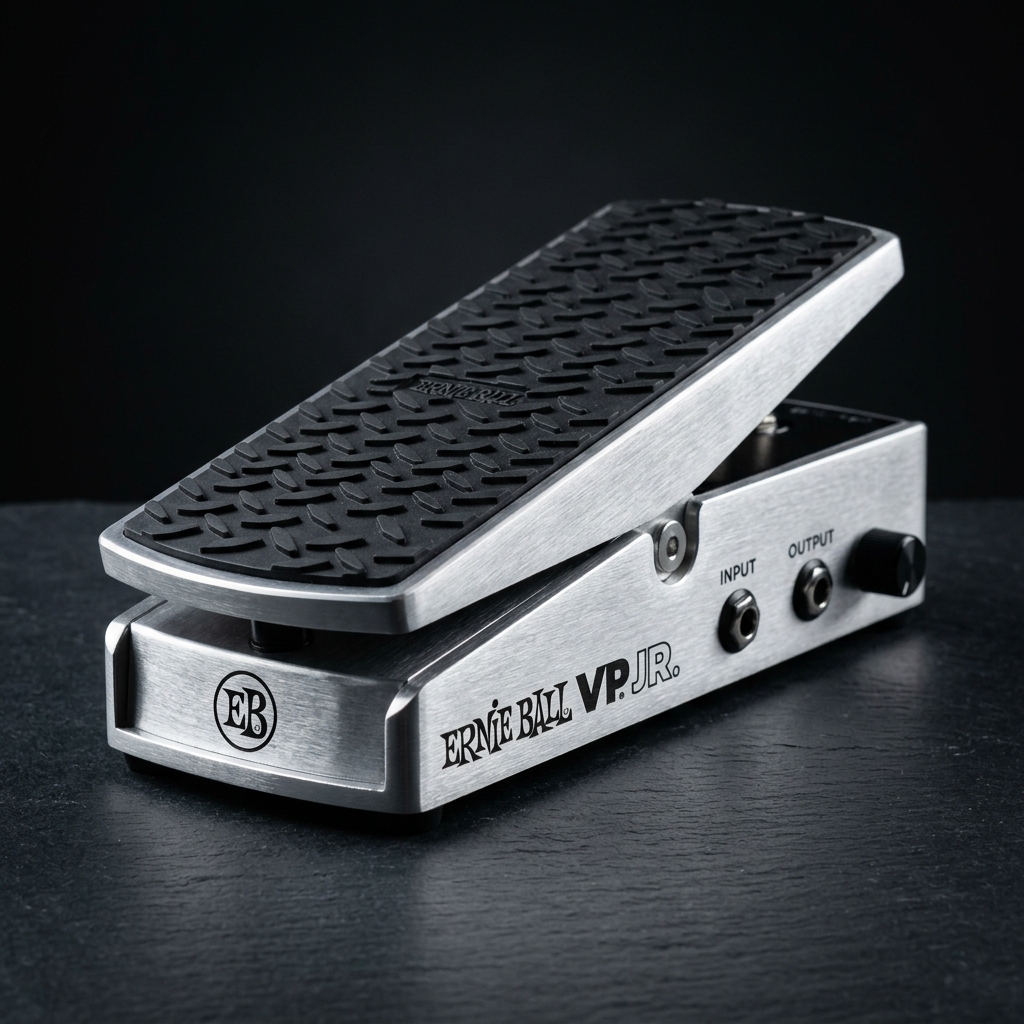
Ernie Ball VP JR 250K Volume Pedal
The industry-standard passive volume pedal — smooth swells, reliable volume control, and a tough aluminum build that lasts.
The Technical Breakdown
| Feature | TC Electronic Ditto Looper Pedal | Ernie Ball VP JR 250K Volume Pedal |
|---|---|---|
| 5 minutes of loop time | ✓ | - |
| True bypass / analog-dry-through | ✓ | - |
| One-knob simplicity | ✓ | - |
| Passive 250K (for passive pickups) | - | ✓ |
| Smooth swell taper | - | ✓ |
TC Electronic Ditto Looper Pedal Strengths
- Effortless to use
- Transparent, clean sound
- Tiny pedalboard footprint
Ernie Ball VP JR 250K Volume Pedal Strengths
- Smooth volume swells
- Road-tough build
- Tuner output jack
Expert Verdict: Which should you choose?
This is a classic matchup of styles. Both the **TC Electronic Ditto Looper Pedal** and the **Ernie Ball VP JR 250K Volume Pedal** sit in the same performance bracket, with only minor technical nuances separating them. The choice should be dictated by your ergonomic preference—the TC Electronic Ditto Looper Pedal offers a slightly more vintage feel, while the Ernie Ball VP JR 250K Volume Pedal leans into modern playability. You can't go wrong with either; choose the one that inspires you to pick it up and play every single day.
Frequently Asked Questions About TC Electronic Ditto Looper Pedal vs Ernie Ball VP JR 250K Volume Pedal
In our 2026 side-by-side test, the TC Electronic Ditto Looper Pedal ( 29.99) wins for overall value and out-of-the-box consistency, while the Ernie Ball VP JR 250K Volume Pedal ($99.99) is the better choice if you specifically want its neck profile and tonal voicing.
The TC Electronic Ditto Looper Pedal is priced around 29.99 compared to $99.99 for the Ernie Ball VP JR 250K Volume Pedal. Their primary differences come down to hardware appointments, pickup/tonewood voicing, and factory setup tolerances (an isolated 9V DC power supply (<100mA noise floor), low-capacitance shielded instrument cables (under 15ft per run), and ±0.5 cent tuning precision).
Both models are beginner- and intermediate-friendly when properly set up, but the TC Electronic Ditto Looper Pedal offers a slightly more forgiving learning curve and stronger dollar-for-dollar resale value in 2026.
Factory quality control in 2026 is strong on both models, though we always recommend checking 12th-fret string action, intonation, and tuning stability after the instrument acclimates to your room's humidity.