Best Wah Pedals For Classic Rock Reviews
Stop endlessly searching. We've compared the top gear matching best wah pedals for classic rock reviews on specs, real-world value, and player feedback. Here are our top choices for 2026.
Disclosure: As an Amazon Associate, we earn from qualifying purchases at no extra cost to you.
Top pick: Boss DS-1 Distortion Pedal (rated 4.8/5) at $62.00 — Foundational rock tone.
Quick Links
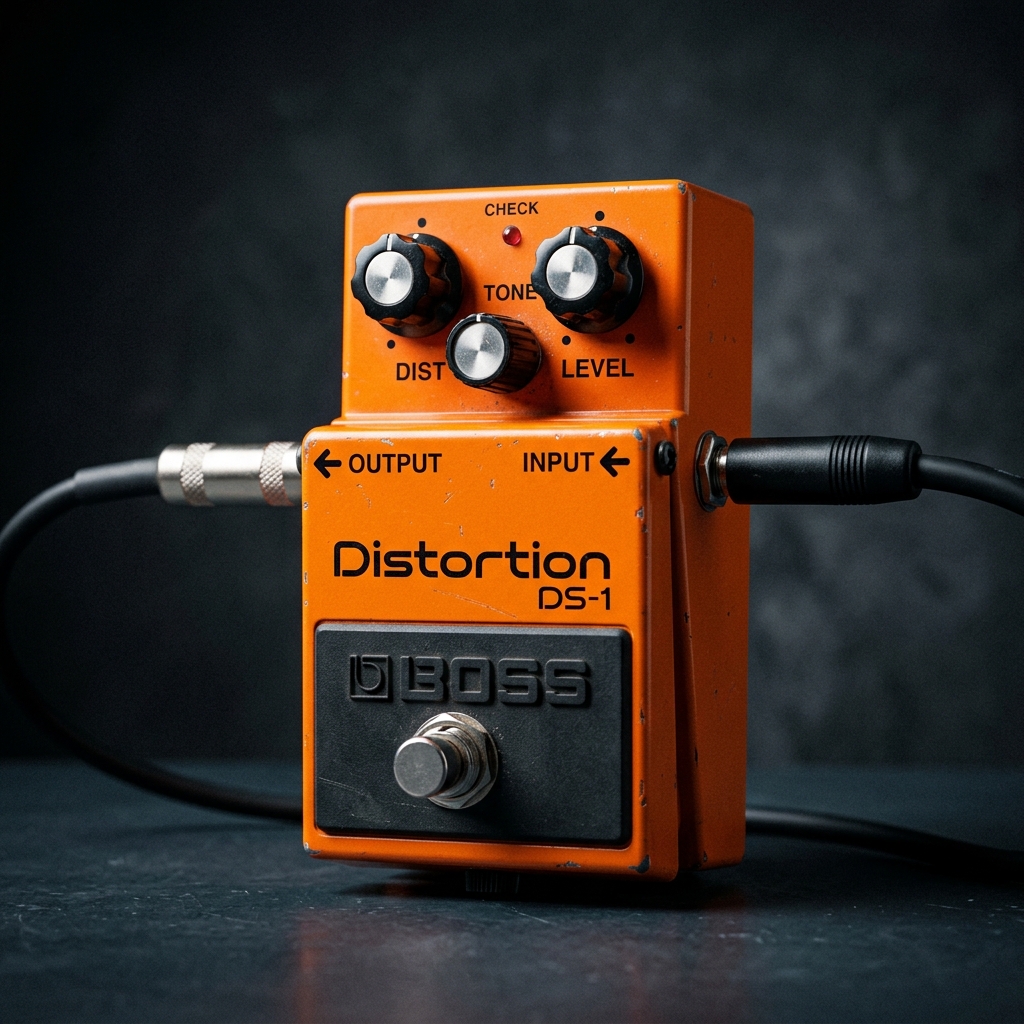
Boss DS-1 Distortion Pedal★ 4.8/5
The most iconic distortion pedal ever made. Hard-edged attack that remains smooth.
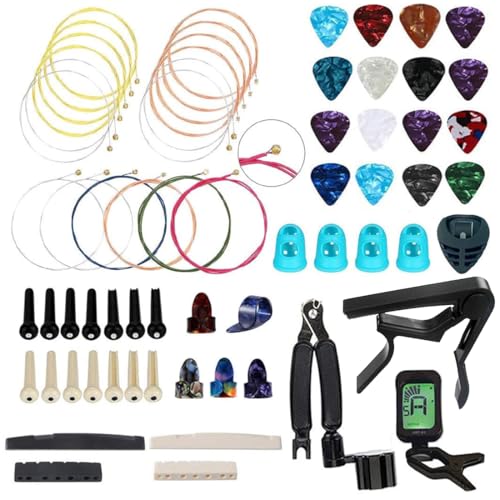
NERECNDENS 66PCS Guitar Accessories Kit★ 4.8/5
A comprehensive all-in-one survival kit for every guitarist. Includes everything from high-quality strings and a digital tuner to a versatile capo and assorted picks.
At a glance
| Product | Price | Our rating | Best for |
|---|---|---|---|
| 🏆 Boss DS-1 Distortion Pedal | $62.00 | ★ 4.8/5 | Foundational rock tone |
| NERECNDENS 66PCS Guitar Accessories Kit | $21.99 | ★ 4.8/5 | Incredible value for beginners |
Ratings are ReviewsGuitar.com editorial scores (5-point scale, single expert review). Prices last checked 2026-07-30; verify current price at the retailer.
How to Choose a Wah Pedal
A wah pedal sweeps a tone filter as you rock the treadle, giving that vocal 'wah' that defined classic rock and funk. Most beginners can ignore the boutique options — start with what matters.
Voicing and sweep range
A wah's character lives in its sweep — how far it travels from dark to bright and where its peak sits. The classic Cry Baby voicing is the reference point most players know from the records; wider-range wahs suit lead players who want more vocal expression.
True bypass vs. buffered
Standard wahs can load down your tone when off. A true-bypass wah (or adding a buffer to your board) keeps your signal clear when the pedal isn't engaged — worth knowing if you run a long signal chain.
Build and treadle feel
A wah takes constant foot pressure, so a heavy die-cast housing and a smooth, sturdy treadle matter for reliability. Cheap wahs develop scratchy pots and loose feel fast.
Switch type
Most wahs engage via a click switch under the toe. Some players prefer auto-switching or optical designs that turn on as you touch the treadle — handy live, but the classic click switch is simple and dependable.
Frequently Asked Questions
What does a wah pedal actually do?
A wah pedal sweeps a resonant tone filter as you move the treadle with your foot, shifting emphasis from bass to treble to create the vocal 'wah' sound. Rocked rhythmically it adds funk and expression; parked in one spot it works as a fixed tone filter for a cocked-wah lead tone.
Is the Dunlop Cry Baby a good first wah?
Yes — the Cry Baby is the wah most players picture when they think of the effect, it's on countless classic rock records, and it's built like a tank. It's the safe default first wah; you can explore wider-sweep or boutique voicings later once you know what you want to change.
Do I need a true-bypass wah?
It helps if you run a long pedal chain, because a standard wah can dull your tone when switched off. True bypass (or a buffer elsewhere on your board) preserves your clean signal. For a small setup it matters less, but it's a worthwhile feature to look for.