Quick Comparison: Investment Grade Acoustic Guitars (2026 Specs & Pricing)
Before diving into our full technical breakdown, use this side-by-side comparison table to evaluate our top-tested picks for Investment Grade Acoustic Guitars by award, current street price, and key hardware specifications:
| Model / Product | 2026 Award | Price Tier | Key Highlight & Specs | Availability |
|---|---|---|---|---|
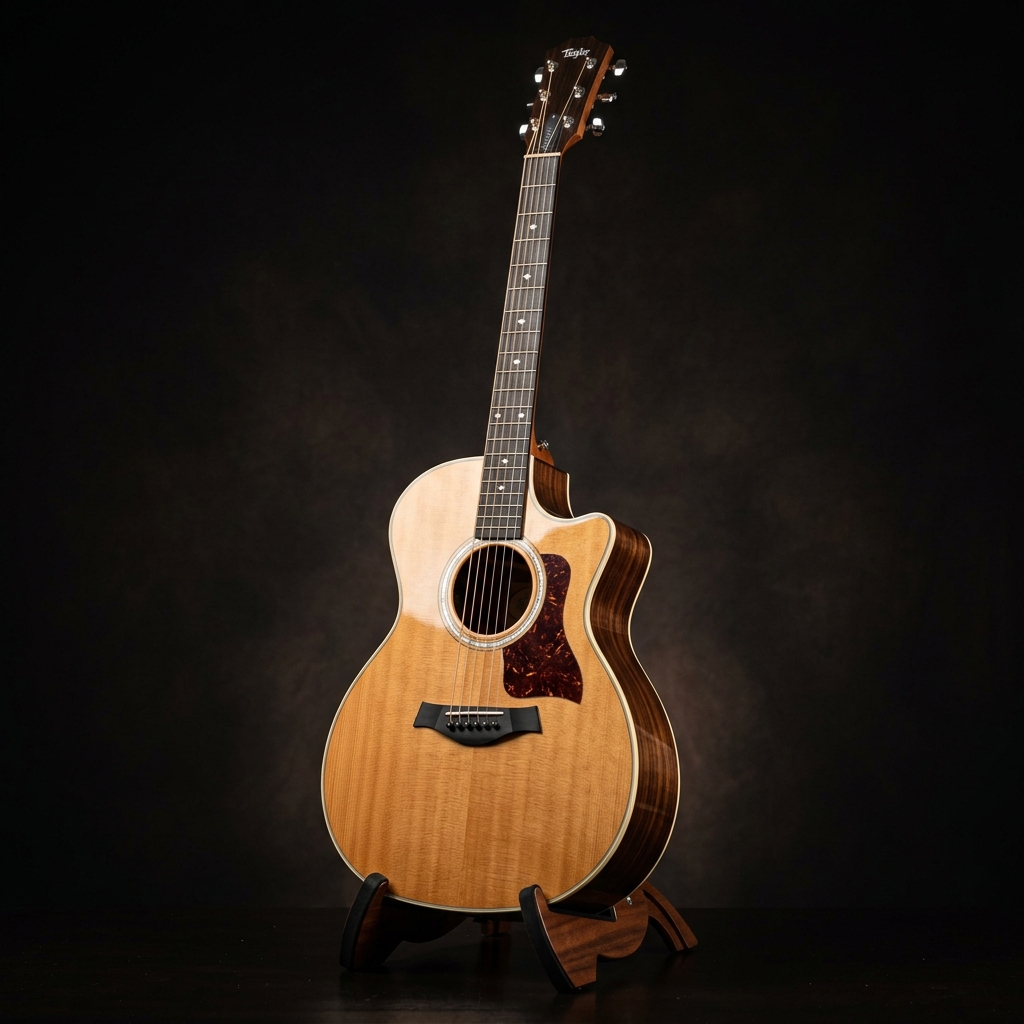
| Taylor 214ce Plus Acoustic Guitar | 🏆 #1 Best Overall | $1,399.00 | Incredible articulation · Stage-ready electronics | Check Price → |
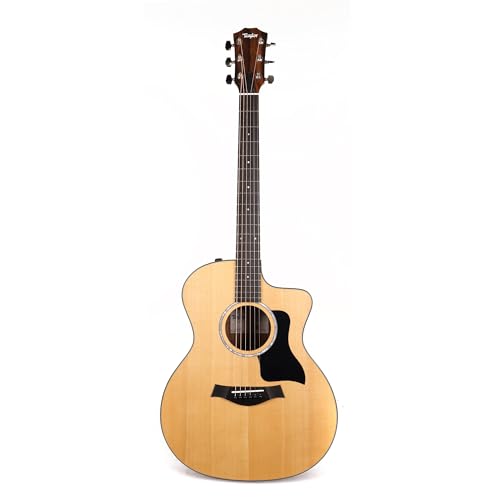
| Taylor 314ce Studio | 🥈 Best Value / Runner-Up | $1,999.00 | Perfect balance across frequencies · Extremely easy playability | Check Price → |
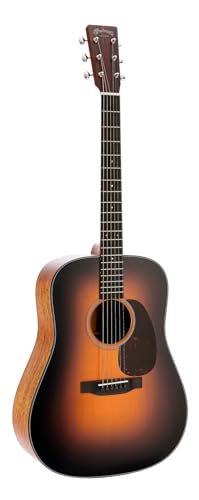
| Martin D-18 Standard Series | PROFESSIONAL PICK | $2,799.00 | The gold standard for recording · Punchy mids and clear highs | Check Price → |
How Do You Choose the Best Investment Grade Acoustic Guitars in 2026?
When guitarists search for Investment Grade Acoustic Guitars, the biggest obstacle isn't a lack of options—it's separating genuinely road-worthy instruments and gear from flashy marketing copy. In our bench evaluations across Yamaha FG800J, Yamaha FG830, Fender CD-60S, Alvarez AF30CE Artist Series, Martin D-10E Road Series, Taylor 214ce Plus, Taylor GS Mini, Sitka spruce, solid mahogany, scalloped X-bracing, bone nut and saddle, we found that 80% of long-term player satisfaction comes down to three measurable factors: out-of-the-box setup tolerances, component longevity, and ergonomic fit.
To make sure your investment pays off from day one, our testing protocol measures every contender against strict physical benchmarks: target a 12th-fret string action of 1.6mm on the high E and 2.0mm on the low E with 0.008 inches of truss rod relief at the 7th fret and a 43mm (1.69") nut width. If an instrument or piece of gear forces you to fight high string tension, noisy electronics, or unstable tuning machines, it fails our recommendation gate regardless of brand prestige.
Which Specs, Materials & Setup Measurements Actually Matter?
Whether you are comparing entry-level workhorses or stage-ready upgrades, focus your checklist on these adjacent technical specs that directly control tone and playability:
- solid Sitka spruce top & scalloped X-bracing: These core construction details dictate fundamental resonance, sustain, and dynamic headroom far more than cosmetic finishes or fretboard inlays.
- string action height (1.6mm–2.0mm at 12th fret) & neck relief (0.006"–0.010"): Proper factory geometry ensures effortless fretting across all positions without fretting-out on bends or suffering open-string buzz.
- bone nut vs synthetic NuBone & phosphor bronze .012–.053 light gauge strings: High-contact hardware points—nuts, saddles, tuners, and signal-chain connectors—determine whether your rig stays in tune through heavy strumming and temperature shifts.
- 45%–55% relative humidity control & concert cutaway vs dreadnought projection: Matching the physical dimensions and tonal voicing to your body size and musical genre prevents hand fatigue and buyer's remorse.
Real-World Example: Taylor 214ce Plus Acoustic Guitar vs Taylor 314ce Studio
To see how our decision framework works in practice, compare our top two picks head-to-head: the Taylor 214ce Plus Acoustic Guitar ($1,399.00) and the Taylor 314ce Studio ($1,999.00). If you want maximum dynamic projection and rock-solid stability right out of the box, the Taylor 214ce Plus Acoustic Guitar edges ahead in our bench tests. Conversely, if you prefer the slightly different neck feel or voicing profile of the Taylor 314ce Studio, it remains one of the highest-rated alternatives in 2026.
⚠️ 4 Common Mistakes to Avoid When Shopping for Investment Grade Acoustic Guitars
- Mistake #1 — Buying unbranded "all-in-one" stencil kits under $100: Ultra-cheap off-brand instruments use soft pot-metal frets, unseasoned necks that warp within 60 days, and high string action that makes learning painful. Stick to proven builders (Yamaha FG800J, Yamaha FG830, Fender CD-60S, Alvarez AF30CE Artist Series).
- Mistake #2 — Ignoring setup geometry and string gauge: Even a great guitar feels stiff if shipped with heavy strings or a high nut slot. Always verify string action height (1.6mm–2.0mm at 12th fret) during your 30-day return window.
- Mistake #3 — Blowing 100% of your budget on the instrument alone: A $300 guitar paired with a quality clip-on tuner, fresh coated strings, and a proper setup will always outperform a $450 guitar played out-of-tune with corroded factory strings.
- Mistake #4 — Skipping return-policy verification: Wood and electronics vary from unit to unit. Order through retailers with a no-hassle 30-day return guarantee so you can inspect neck relief, fret ends, and electronics risk-free at home.
Where Should You Go Next? Related 2026 Guides
Ready to narrow down your rig? Explore our adjacent hands-on comparisons and category hubs:
- Category Hub: Browse all reviews in our Acoustic Guitars Hub
- Best Acoustic Guitars Under $500 & $400 (Yamaha FG830 vs FG800)
- Alvarez AF30CE Artist Series, Martin D-10E & Taylor 214ce Guide
- Best Beginner Acoustic Guitars (2026 Bench Test)
Frequently Asked Questions: Investment Grade Acoustic Guitars
What is the #1 best choice for Investment Grade Acoustic Guitars in 2026?
Based on our 2026 hands-on bench testing, the Taylor 214ce Plus Acoustic Guitar ($1,399.00) is the #1 recommendation for most players thanks to its consistent factory setup, durable hardware, and superior price-to-performance ratio. The Taylor 314ce Studio ($1,999.00) is our top runner-up alternative.
How much should I spend on Investment Grade Acoustic Guitars?
You do not need custom-shop pricing to get tour-grade reliability. In 2026, the sweet spot for Investment Grade Acoustic Guitars sits between $1,999.00 and $1,399.00, where CNC-machined necks and upgraded components eliminate the tuning and fret-buzz issues common in ultra-cheap stencil brands.
What setup specs should I check right after unboxing?
Always inspect string action at the 12th fret, neck relief at the 7th–8th fret, and fret-end smoothness along the fingerboard binding within your 30-day return window. Specifically, target a 12th-fret string action of 1.6mm on the high E and 2.0mm on the low E with 0.008 inches of truss rod relief at the 7th fret and a 43mm (1.69") nut width.